

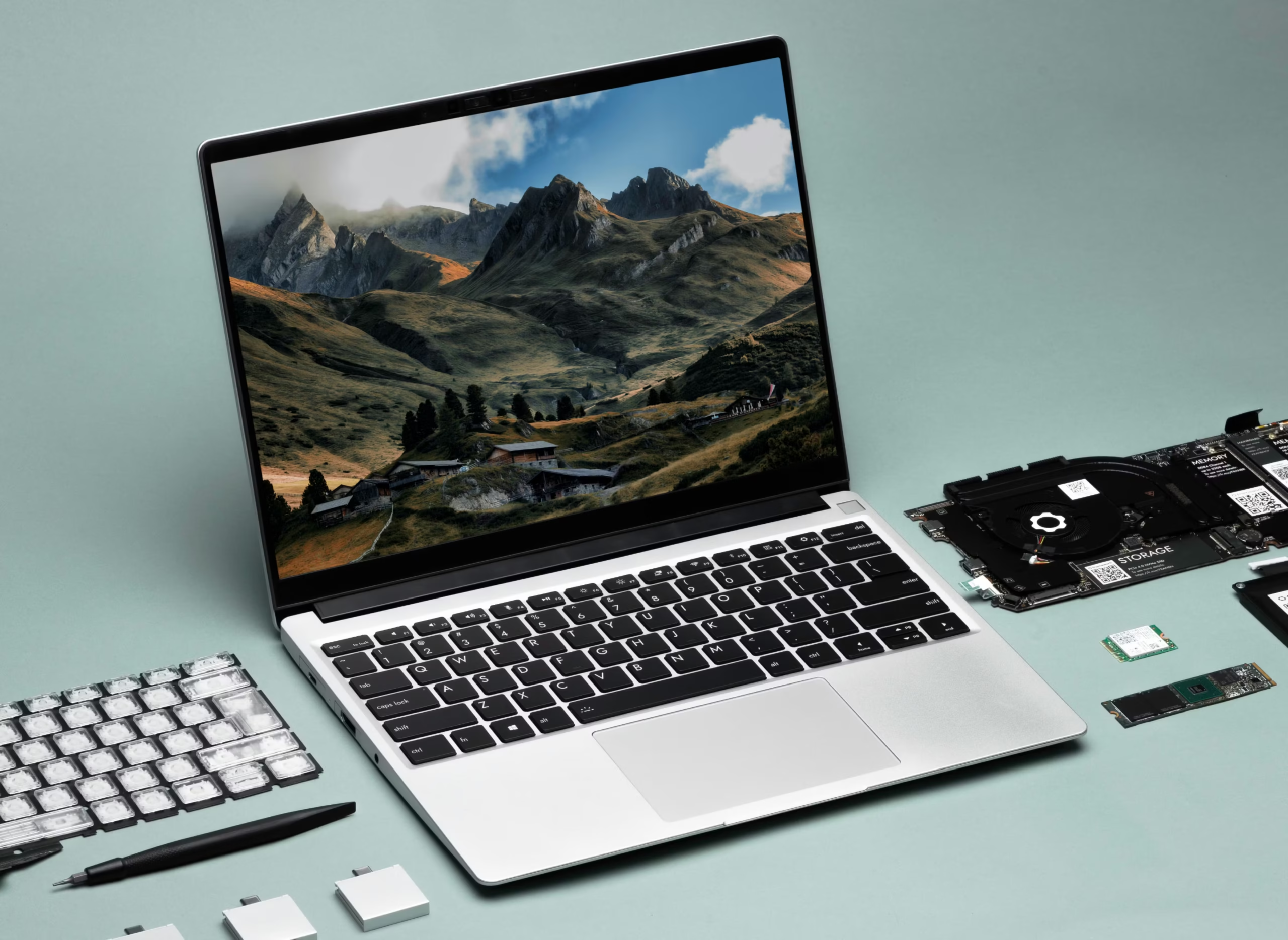
One of the most crucial things to look for in a laptop is how upgradable and repairable it is. Most modern laptops are designed with sealed components that make repairs expensive and upgrades nearly impossible, forcing users to replace their entire device when something breaks or becomes outdated.
Framework laptops were introduced as a solution to this problem. These laptops are built to be easy to upgrade and repair yourself, giving you full control over your device’s longevity and performance without needing professional help or specialized tools.
In this article, we’ll explore the brand and outline the most popular pros and cons to help you form an opinion if you’re thinking of buying a Framework laptop.
Some Background on Framework Laptops
Framework Computers Inc. was founded in January 2020 by Nirav Patel, who previously worked at Apple and later served as the original Head of Hardware at Oculus. The company positions itself as a proponent of the right-to-repair movement, designing laptops that are easy to disassemble with all parts being replaceable and upgradeable.
Framework launched their first product, the Framework Laptop 13, in 2021. The Framework Laptop 16, a larger model with upgradeable graphics, was announced in 2023. Most recently, the Framework Laptop 12, a smaller 12.2-inch convertible with touchscreen and stylus support, was announced in February 2025 and began shipping in June 2025.
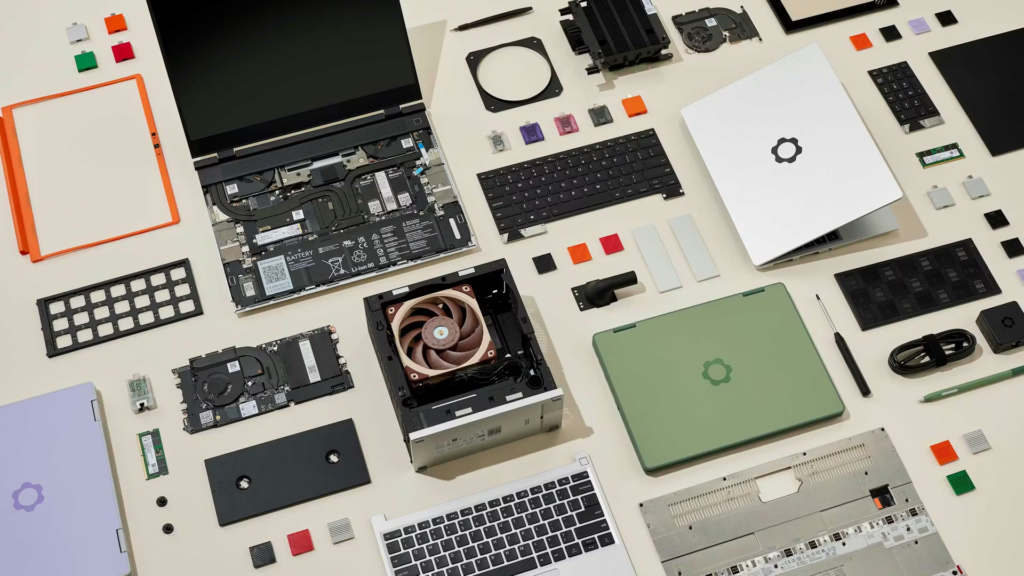
All three models feature swappable components, including expansion cards that let you choose and change your ports, upgradeable processors through mainboard swaps, replaceable memory and storage, and easily accessible batteries.
The Pros
The Framework 13 offers excellent typing experience with 1.5mm key travel and a smooth trackpad, and reviewers praised its display quality with a practical 3:2 aspect ratio. The swappable expansion cards let you choose exactly which ports you want and reconfigure them on the fly, even while the laptop is running. The newest AMD Ryzen AI 300 models deliver excellent performance with competitive power efficiency, and battery life reaches around 10 hours in regular use.
The Framework 16 offers six expansion card slots and lets you completely customize the keyboard layout, choosing whether you want a centered keyboard, a numpad, or additional modules like an RGB macro pad. The optional discrete GPU can be upgraded separately without replacing the entire laptop, making it one of the few gaming laptops where you can swap out graphics cards. It delivers strong performance and good battery life for a gaming machine.
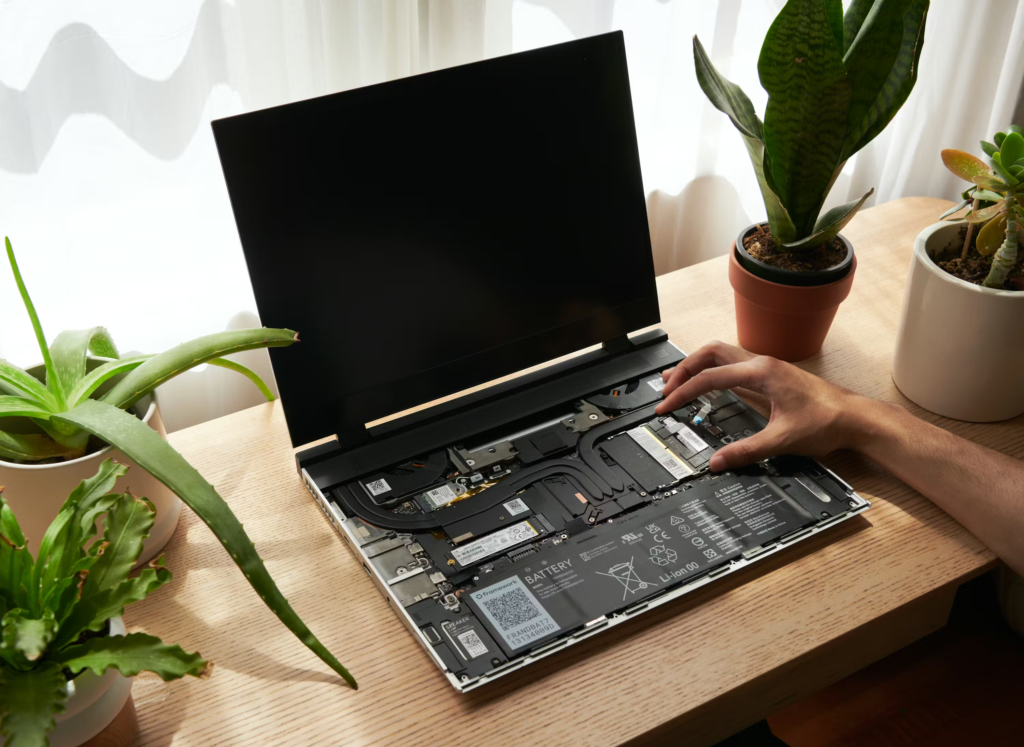
The DIY assembly process takes under two hours following Framework’s clear instructions, using only the included screwdriver. Many components can be swapped without tools and even while the laptop is turned on, including the keyboard and expansion cards. Framework sells all replacement parts directly and publishes repair guides.
The Cons
The Framework 13 costs significantly more for the specs you get compared to other laptops. Performance can’t match similarly priced options like the MacBook Air M4. Battery life varies widely from 3-4 hours to 9 hours, depending on usage. The trackpad has palm rejection issues while typing, and the laptop is thicker than most ultrabooks.
The Framework 16’s price is high, and the configuration process is complicated for those unfamiliar with PC hardware. Visible seams between modular parts are noticeable, and components can be slightly misaligned. The keyboard feels just okay with significant flex in the middle, and the touchpad is smaller than expected for a 16-inch laptop. The display image quality is mediocre compared to other laptops at this price point.
Final Words
Framework laptops share some pros and cons, but the company’s commitment to the right-to-repair movement is valuable for consumers. Having a manufacturer that actively supports upgradability and repairability pushes the entire industry in a better direction, even if you never buy one yourself.
The high price tag makes Framework laptops a tough sell for most people. However, the idea behind these modular laptops is positive and deserves support from those who can afford it and value long-term ownership over immediate performance-per-dollar.